April 7, 2026
Understand The Symptoms Of Glaucoma
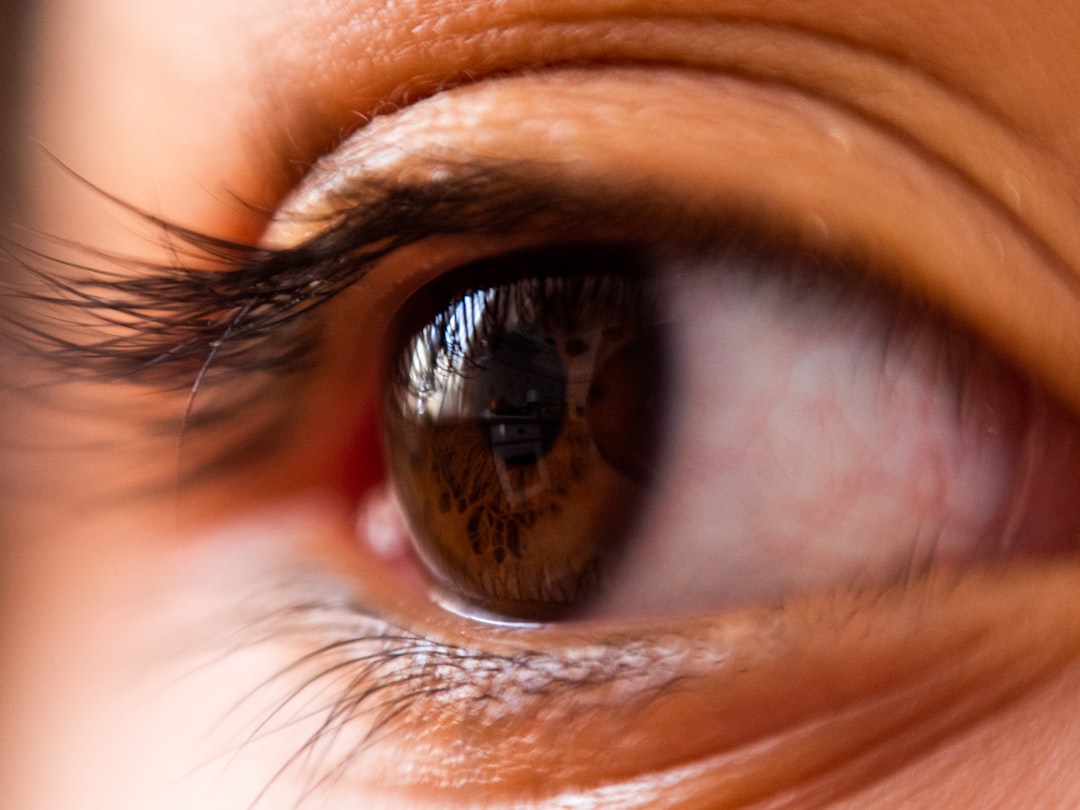
What is Glaucoma and Why Early Detection Matters?
Glaucoma isn't a single disease, but rather a group of eye conditions that damage the optic nerve, the crucial pathway transmitting visual information from your eye to your brain. This damage often, but not always, stems from abnormally high pressure inside your eye. Left untreated, glaucoma can lead to progressive vision loss and even blindness. That’s why early detection and intervention are paramount.
The insidious nature of glaucoma lies in its often asymptomatic onset. Many people with glaucoma experience no early warning signs, making regular comprehensive eye exams learn more the most effective way to catch the disease in its initial stages. During these exams, your eye doctor measures your intraocular pressure (IOP) and assesses the health of your optic nerve. If any abnormalities are detected, further testing can be performed to confirm a diagnosis.
Common Types of Glaucoma and Their Unique Symptoms
Glaucoma manifests in several forms, each with its own distinct characteristics and symptom profiles. Understanding these differences is key to recognizing potential problems and seeking timely professional help.
Open-Angle Glaucoma: The Silent Thief of Sight
Open-angle glaucoma is the most prevalent type, accounting for the vast majority of glaucoma cases. It's characterized by a gradual and painless increase in intraocular pressure, often without any noticeable symptoms in the early stages. As the disease progresses, individuals may experience:
- Peripheral Vision Loss: This is often the first noticeable symptom. You might start bumping into objects on your side or have difficulty seeing things in your peripheral field of vision.
- Tunnel Vision: In advanced stages, peripheral vision loss can worsen, resulting in a constricted field of vision, often described as “tunnel vision.”
- Difficulty Adjusting to Darkness: You may find it harder to see in dimly lit environments or at night.
Because open-angle glaucoma progresses slowly and subtly, regular eye exams are crucial for early detection and management.
Angle-Closure Glaucoma: A Sudden and Serious Threat
Angle-closure glaucoma, also known as narrow-angle glaucoma or acute glaucoma, occurs when the iris (the colored part of your eye) blocks the drainage angle, preventing fluid from flowing out of the eye. This can cause a rapid and significant increase in intraocular pressure, leading to a medical emergency. Symptoms of angle-closure glaucoma can appear suddenly and intensely, including:
- Severe Eye Pain: A sharp, throbbing pain in the eye is a hallmark symptom.
- Blurred Vision: Vision may become significantly blurred.
- Halos Around Lights: Seeing colored rings or halos around lights.
- Redness of the Eye: The white part of the eye may become visibly red.
- Nausea and Vomiting: The sudden increase in pressure can trigger nausea and vomiting.
If you experience any of these symptoms, seek immediate medical attention. Angle-closure glaucoma requires prompt treatment to prevent permanent vision loss.
Normal-Tension Glaucoma: Damage Despite Normal Pressure
Normal-tension glaucoma (NTG), also called low-tension glaucoma, is a type of glaucoma in which the optic nerve is damaged despite having normal intraocular pressure. The exact cause of NTG is not fully understood, but it's believed to involve factors such as:
- Increased Sensitivity to Normal Pressure: The optic nerve may be more susceptible to damage even at normal pressure levels.
- Reduced Blood Flow to the Optic Nerve: Insufficient blood supply can weaken the optic nerve and make it more vulnerable to damage.
- Underlying Medical Conditions: Certain medical conditions, such as cardiovascular disease, may contribute to NTG.
Symptoms of NTG are similar to those of open-angle glaucoma, including peripheral vision loss and tunnel vision. Diagnosis often involves careful examination of the optic nerve and visual field testing.
Congenital Glaucoma: A Childhood Concern
Congenital glaucoma is a rare form of glaucoma that occurs in infants and young children. It's caused by a malformation of the eye's drainage system, preventing proper fluid outflow. Symptoms of congenital glaucoma may include:
- Cloudy Cornea: The cornea (the clear front part of the eye) may appear cloudy or hazy.
- Excessive Tearing: The eye may produce excessive tears.
- Light Sensitivity: The child may be unusually sensitive to light (photophobia).
- Enlarged Eye: The eye may appear larger than normal.
Early diagnosis and treatment of congenital glaucoma are crucial to prevent vision loss. If you notice any of these symptoms in your child, consult with a pediatric ophthalmologist immediately.
Beyond the Obvious: Atypical Glaucoma Symptoms to Watch For
While the symptoms described above are the most common, some individuals may experience less typical or subtle signs of glaucoma. These can include:
- Frequent Changes in Eyeglass Prescription: A rapidly changing prescription could indicate underlying eye problems, including glaucoma.
- Eye Strain or Discomfort: While not always indicative of glaucoma, persistent eye strain or discomfort should be evaluated by an eye doctor.
- Headaches: Although not a primary symptom, headaches, especially those localized around the eyes, may sometimes be associated with glaucoma.
It's important to remember that these symptoms can also be caused by other conditions. However, if you experience any of these in conjunction with other risk factors for glaucoma (such as family history, age, or ethnicity), it's essential to schedule a comprehensive eye exam.
The Importance of Regular Eye Exams
Because glaucoma often progresses without noticeable symptoms, regular comprehensive eye exams are the cornerstone of early detection and prevention. During an eye exam, your optometrist or ophthalmologist will:
- Measure your intraocular pressure (IOP): This is a key indicator of glaucoma risk.
- Examine your optic nerve: They will look for signs of damage or cupping, which are characteristic of glaucoma.
- Perform visual field testing: This test measures your peripheral vision and can detect early signs of vision loss.
- Gonioscopy: This procedure examines the drainage angle of your eye to determine if it is open or closed.
- Optical Coherence Tomography (OCT): This imaging technique provides detailed cross-sectional images of the optic nerve and retinal nerve fiber layer, allowing for early detection of structural changes associated with glaucoma.
The frequency of eye exams depends on your age, risk factors, and overall eye health. However, in general, adults over the age of 40 should have a comprehensive eye exam every one to two years. Individuals with risk factors for glaucoma may need more frequent exams. Talk to your eye doctor to determine the best schedule for you.
What to Do If You Suspect You Have Glaucoma
If you experience any of the symptoms described above, or if you have risk factors for glaucoma, don't delay in seeking professional eye care. Schedule a comprehensive eye exam learn more with Professional Eyecare Oak Park to assess your risk and determine the best course of action. Early detection and treatment can significantly reduce your risk of vision loss from glaucoma. We also offer learn more and learn more to improve your vision.
Remember, proactive eye care is essential for maintaining clear vision and protecting your eye health. Don't wait until you experience vision problems to schedule an eye exam. Take control of your eye health today!
Frequently Asked Questions
What is glaucoma and how does it affect my vision?
Glaucoma refers to a group of eye conditions that can damage the optic nerve, which sends visual information from your eye to your brain. This damage can lead to progressive vision loss if not managed. Regular eye exams are important for early detection.
Why is early detection of glaucoma so important?
Early detection is crucial because glaucoma often has no noticeable symptoms in its initial stages. Without treatment, the damage to the optic nerve can worsen, potentially leading to irreversible vision loss. A comprehensive eye exam can help identify the condition early.
What happens during an eye exam to check for glaucoma?
During a comprehensive eye exam, your eye doctor will typically measure the pressure inside your eye and carefully examine your optic nerve. These assessments help in identifying any potential signs of glaucoma. If concerns arise, further testing may be recommended.
Have Questions About Your Eye Health?
Schedule an appointment with our expert team today.
Book an Appointment