July 21, 2026
Eye Exam Walkthrough: What to Expect Step-by-Step
By Dr. Austin Andersen, MD — Ophthalmologist
Medically reviewed by Dr. Austin Andersen, MD
Your Comprehensive Eye Exam: Clarity You Can Trust
At Professional Eyecare Oak Park, we believe that understanding your eye exam is the first step toward optimal vision health. We're committed to providing clear, professional, and efficient care. An eye exam is more than just checking your prescription; it's a comprehensive assessment of your overall eye health. Our process is designed to be thorough, utilizing modern technology and a human-centered approach to ensure you receive the best possible care. Let's walk through what you can expect during your visit.
Many of our patients in Overland Park come to us with questions about what an eye exam entails. We're here to demystify the process and ensure you feel comfortable and informed every step of the way. Your vision is our priority, and we're dedicated to protecting it.
The Check-In Process: Intelligent Efficiency From the Start
Your visit begins the moment you arrive. Our front desk team will greet you warmly and guide you through the check-in process. We strive for intelligent efficiency, meaning we've streamlined our paperwork and data collection to be as quick and convenient as possible. You might be asked to fill out or verify some forms, including your medical history, current medications, and any specific vision concerns you have. This information is crucial for our optometrists to understand your individual needs and tailor your exam accordingly.
We encourage you to bring your current eyeglasses or contact lenses, a list of any medications you are taking, and your insurance information. Having these ready helps us ensure a smooth and timely start to your appointment.
Pre-Testing: Gathering Essential Data
Before you even see the optometrist, our skilled technicians will conduct a series of pre-tests. These tests gather vital data about your eyes and vision. They are quick, painless, and provide our doctors with a foundational understanding of your eye health. Here's what some of these tests involve:
- Autorefractor/Keratometer: This machine measures how light changes as it enters your eye, providing an objective estimate of your prescription. It also measures the curvature of your cornea, which is important for contact lens fitting.
- Visual Acuity: You'll read letters on an eye chart to measure your sharpness of vision at various distances. This is a fundamental part of any eye exam and helps us identify any immediate vision problems.
- Tonometry: This test measures the pressure inside your eyes, known as intraocular pressure. Elevated pressure can be a sign of glaucoma, a serious eye condition. We often use an iCare tonometer, which is a gentle and comfortable way to take this measurement.
- Visual Field Screening: This test checks your peripheral (side) vision, helping to detect blind spots that could indicate various eye conditions or neurological issues.
- Digital Retinal Imaging: We use advanced technology to take high-resolution images of your retina, the back of your eye. This allows us to detect and monitor conditions like glaucoma, macular degeneration, and diabetic retinopathy, often before symptoms appear. It's a key part of our commitment to continuous improvement in eye care.
These pre-tests are designed to be efficient and provide a comprehensive overview of your eye's current state, allowing the doctor to focus on a more personalized assessment.
The Optometrist's Examination: Precision and Human-Centered Care
Now, it's time to meet your optometrist. This is where precision meets human-centered care. Your doctor will review the data collected during your pre-testing and discuss your personal vision concerns, lifestyle, and medical history in detail. They will then perform a thorough examination, which typically includes:
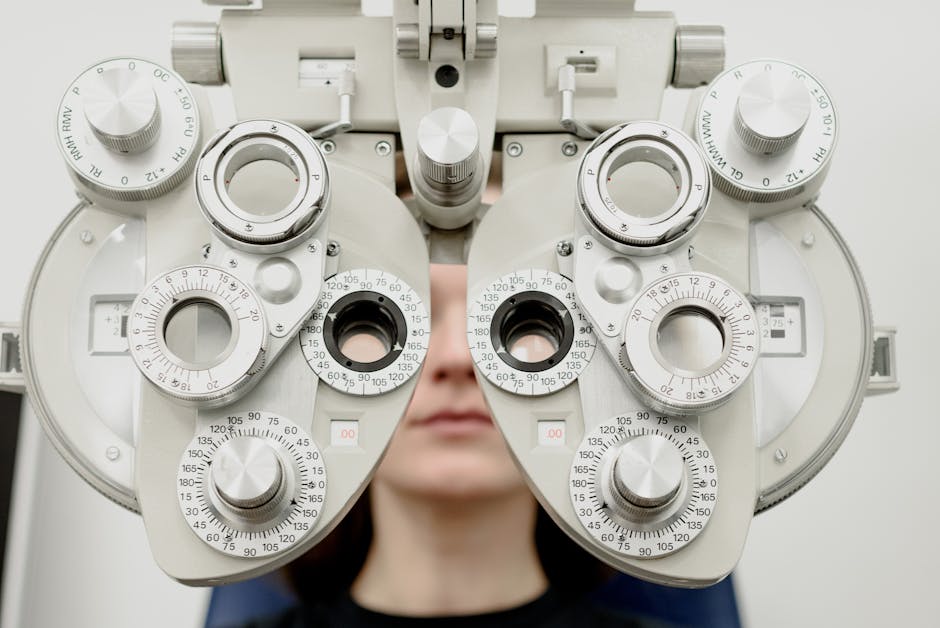
- Refraction: This is the classic "which is better, one or two?" test. The optometrist uses a phoropter to fine-tune your prescription, ensuring you get the clearest possible vision correction for glasses or contact lenses. This is especially important for addressing common problems like digital strain or tired eyes.
- Slit Lamp Examination: Using a biomicroscope, the doctor will examine the front and internal structures of your eye in detail. This allows them to detect conditions such as cataracts, dry eye, corneal abrasions, and other anterior segment issues.
- Pupil Dilation (if necessary): Depending on your age, risk factors, and the initial findings, your doctor may recommend dilating your pupils. This widens your pupils, allowing for a much clearer view of the retina, optic nerve, and other structures at the back of your eye. Dilation is crucial for detecting serious conditions like glaucoma, macular degeneration, and diabetic retinopathy. While your vision may be blurry and light-sensitive for a few hours afterward, it's a vital step for comprehensive eye health assessment.
- Discussion of Findings and Recommendations: After the examination, your optometrist will clearly explain all findings, answer your questions, and discuss any diagnoses or recommendations. This might include prescribing new glasses or contact lenses, recommending specific treatments for conditions like dry eye, or discussing strategies to protect your eyes from digital strain. If you're considering progressive lenses, this is a great time to discuss how they can improve your vision.
Our optometrists are not just experts in eye health; they are also excellent communicators, ensuring you leave with a complete understanding of your vision and care plan. We believe eye care should feel clear, not confusing.
Post-Exam: Your Path to Clarity
Once your examination with the optometrist is complete, you'll be guided to our optical team. If you need new glasses, they will help you select frames that fit your style and lifestyle, and discuss lens options, including coatings and materials that can enhance your vision and protect your eyes. If you wear contact lenses, they will ensure you have the correct fit and prescription.
We also provide clear instructions for any follow-up care, medication usage, or next steps. Our goal is to empower you with the knowledge and tools to maintain excellent vision health between appointments. Remember, regular eye exams are crucial for maintaining good vision and detecting potential problems early. Recognizing the need for vision care is the first step.
Clarity You Can Trust: Schedule Your Eye Exam Today
At Professional Eyecare Oak Park, we are committed to providing you with the highest standard of eye care. Our step-by-step approach ensures a thorough, efficient, and comfortable experience. We combine clinical excellence with intelligent systems to deliver the clarity you can trust.
Don't wait to prioritize your vision health. Whether you're due for a routine check-up, experiencing changes in your vision, or simply want to ensure your eyes are healthy, our team in Overland Park is ready to help. Schedule your comprehensive eye exam today and experience modern, professional eye care. We look forward to seeing you!
Frequently Asked Questions
Why is a comprehensive eye exam important, beyond just checking my vision?
A comprehensive eye exam assesses your overall eye health, not just your prescription. It can help detect early signs of eye diseases and other health conditions that may not have obvious symptoms. Regular exams are crucial for maintaining long-term vision and eye health.
What typically happens during the initial check-in process for an eye exam?
During check-in, you'll usually be greeted by the front desk team and asked to complete or verify necessary paperwork. This process is designed to be efficient, gathering important information about your medical history and insurance before your exam begins.
How often should I schedule a comprehensive eye exam?
The recommended frequency for eye exams can vary based on your age, risk factors, and overall health. It's best to consult with an eye care professional to determine the appropriate schedule for your individual needs.
Have Questions About Your Eye Health?
Schedule an appointment with our expert team today.
Book an Appointment